Securtv - CCTV & Security Responsive Website Template

North Suburb Airport, Cangzhou City, Hebei Province (National Highway 104) info@bhthermoformingmachine.com

News

24 February, 2026

The difference between laser cutting die and traditional processing technology
The laser cutting die mainly utilizes the strong energy of the laser to perform high depth ablation on the cutting template, thereby achieving the purpose of installing the cutting blade. Compared with traditional machining techniques, this type of knife mold processing technology:
The design is simple. Traditional processing involves drawing with a pencil or ballpoint pen on a knife template, followed by cutting with the knife template; After using the laser cutting machine, the design can be directly carried out on the computer without any drawing required.
Small error. In traditional production, the knife template is sawed by a sawing machine, which can cause misalignment and errors during movement; The laser cutting machine operates fully automatically and does not require manual intervention.
High work efficiency. Traditional processing methods are affected by site equipment and have slow processing speeds; The laser cutting machine is large format, non-contact, and can run continuously for 24 hours. So, the application of laser cutting machines can significantly accelerate the development of enterprises and improve economic efficiency. In the printing industry, it is mainly used for cutting and trimming cardboard box models.

What are the benefits of using laser cutting dies
Laser cutting dies are known as the most advanced processing equipment today, but as a new thing, people often do not have a very good understanding of it. So what are the benefits of using laser knife molds?
1. High tech processing mode: This processing mode is similar to that of regular laser cutting equipment, but the laser beam density of this laser can be concentrated very high, without much impact on other parts of the laser cutting. It can directly process the material, and the processing quality is very good, without the need for complex carving patterns.
2. Low cutting cost: Due to the fast processing speed and low cutting loss of lasers, the cutting accuracy is very high, which can reduce production costs and create greater benefits and wealth for enterprises. For the leather industry, it is a great processing equipment that only requires high-precision cutting under computer monitoring, and the cutting speed is very fast, especially suitable for small batch and single piece processing materials.
3. Multiple processing materials: Laser knife molds are not affected by the performance of materials and can process special materials such as glass, bamboo, leather, fabric, rubber, marble, etc. At the same time, they can cut irregular materials and the processed parts do not need to be very fixed.

What should I do if the laser knife die blade becomes dull
Nowadays, high-tech is increasingly applied to our lives, and the production of products is also done using machines. Laser cutting dies are used on laser cutting die machines, which use software to create cutting die graphic designs.
For the laser cutting machine, use professional software and set the parameters on the computer to use it. This fully automated design allows us to quickly complete the production of products. Of course, everything will have its own difficulties in use, and laser knife molds are no exception. What should I do if the laser blade becomes blunt?
If the laser die blade is not completely blunt, and only a notch appears on the blade edge, then the part of the laser die blade can be replaced in this way.
If the blunt blade of the laser cutting die is not replaced, the products cut by the laser cutting die machine will have uneven edges and even burrs. This resulted in defective products. Most manufacturers are not willing to purchase. So if there is a blunt knife situation, it should be dealt with in a timely manner to avoid losing too much.

Introduction to Maintenance Knowledge of Laser Knife Mold
Laser cutting die is a high-precision equipment that uses the strong energy of laser to deeply ablate the cutting template, thereby achieving the purpose of cutting. Laser cutting die has the following characteristics: simple design, small error, high precision, and high work efficiency. Therefore, it is very important to maintain the laser cutting die well. The maintenance and upkeep of the laser cutting die mainly involves the following aspects: 1. After each use of the laser cutting die, it is necessary to clean the equipment, keep it clean, and spray lubricating oil. 2. Clean up waste in a timely manner and keep ventilation openings unobstructed. 3. Maintain regular cleaning of the chiller once, drain all internal water, and then refill with new purified water. 4. Regularly check the cable lines to ensure that they are intact and undamaged. 5. Timely inspect and repair the laser cutting die, promptly repair any problems found, and ensure that the equipment is in normal condition.

23 January, 2026

Overview of No.1 Polypropylene
Polypropylene structure and crystal form
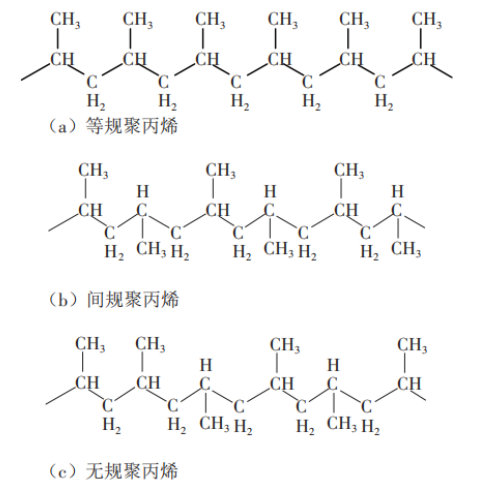
Polypropylene (PP) is a thermoplastic polymer polymerized from propylene. According to the different arrangement of methyl groups on its main chain, it can be divided into three types: isotactic polypropylene (i-PP), syndiotactic polypropylene (s-PP), and random polypropylene (a-PP) as shown in Figure 1. In addition to the three-dimensional configuration of molecular chains, the processing and application performance of PP largely depends on its crystallization temperature, crystal morphology, and grain size. It is generally believed that the crystal structure of PP includes five types: monoclinic α crystal, hexagonal β crystal, triclinic γ crystal, near crystal structure δ, and quasi hexagonal. Among them, the most widely used is the α crystal, followed by the β crystal. Other crystal structures are unstable and have low application value, so they are not common.

Figure 1 Stereoscopic Configuration of PP Molecular Chain

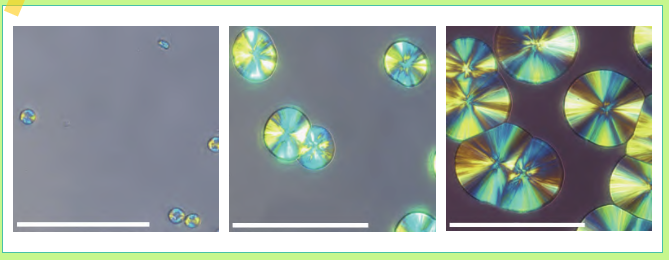
The alpha crystal structure is the most stable and the crystallization mode is the easiest, so other crystal forms will also transform towards the alpha crystal direction under specific conditions. Crystallization generally occurs through the formation of spherulites. The formation of alpha spherulites is characterized by the radial growth of the spherulite center, forming a bundle like structure that intertwines with each other to form a spider like spherulite configuration. The structure is shown in Figure 2.
The difference between the formation of beta crystals and alpha spherulites is that beta spherulites form a bundle like structure parallel to the center, and the bundle like structure continuously grows, bends, and contacts outward to form a complete hexagonal spherulite. This crystal form is generally in a metastable state and can be induced to form under special conditions. In industry, it is generally obtained by adding beta nucleating agents.
Gamma crystals are relatively rare and can generally be produced by low molecular weight iPP melt crystallization or high-pressure crystallization.

Figure 2 Appearance of α - spherulite growth

Crystallization process
The crystallization process of polymers is actually the process of ordered arrangement of molecular chain segments. Polymer crystallization occurs between the melting point (tm) and glass transition temperature (tg) of the polymer. The crystallization process includes the formation and growth of crystal nuclei. Above tm, stable crystal nuclei cannot be formed; Below TG, the chain segment motion freezes and the growth rate of crystal nuclei is zero. The growth rate of polymer crystal nuclei is high at high temperatures, the nucleation rate is high at low temperatures, and the crystallization rate is highest at a certain temperature (tcmax). According to empirical rules, the tcmax of pure polymer is 0.85tm (K). The isotactic poly (propylene glycol) tm is 449K (176 ℃), and the tcmax is 393K (120 ℃), which is consistent with this rule. The internal factors affecting the crystallization rate and crystallinity of polymers are the molecular chain structure and relative molecular weight; External factors include the thermal history of polymer melting, cooling rate, external forces, and impurities mixed into the polymer. Impurities, as crystal nuclei, play an important role in increasing crystallization rate and changing crystal shape.

No.2 PP nucleating agent and its mechanism of action
nucleating agent
There are various classification methods for PP nucleating agents, which can be divided into alpha nucleating agents and beta nucleating agents based on the induced crystal form; It can be divided into transparent type, standard type, and enhanced type according to its purpose. The alpha nucleating agent mainly promotes the formation of the alpha crystal form of PP.
Alpha nucleating agents can be subdivided into organic, inorganic, and macromolecular types.

(1) Organic nucleating agents: mainly include dibenzylidene sorbitol, amide compounds, aromatic carboxylate salts, and substituted aryl heterocyclic phosphate esters (salts). The selection criteria for organic nucleating agents are: ① The nucleation effect of benzene ring structure is better than that of aliphatic hydrocarbon structure, and the para substitution effect of benzene ring is better than that of other substitution structures; ② The nucleation effect of carboxylate structure is superior to that of free carboxylate groups; ③ Among salts, sodium salt has the best nucleation effect; ④ When the substituent group on the benzene ring is a carboxyl chain, the shorter the chain, the better the nucleation effect.
(2) Inorganic nucleating agents: mainly composed of metal oxides or metal salts, such as talcum powder, calcium carbonate, silicon dioxide, etc. The characteristics of inorganic nucleating agents include low cost, and trace addition can improve the transparency and mechanical properties of PP.
(3) Polymer nucleating agent: refers to high melting point macromolecular compounds that nucleate PP, generally requiring crystallization temperatures higher than PP and compatibility with PP. This type of nucleating agent is mainly composed of polyethylene cyclic alkane compounds, which can improve the transparency and processing performance of PP products.
Beta nucleating agents can induce the formation of beta crystals in PP, significantly increasing the impact resistance of the product. Generally, beta nucleating agents can be subdivided according to their composition and structure into inorganic, polycyclic aromatic hydrocarbons, certain salts of Group IIA metals and dicarboxylic acid complexes, aromatic diamides, rare earth compounds, cyclic dicarboxylic acid salts, etc.
Alpha nucleating agents have a wide range of applications. Currently, sorbitol and organic phosphate nucleating agents are the most studied, used in the largest quantities, and have high nucleation efficiency. The β nucleating agent induces the transformation of polypropylene α crystals into β crystals, which significantly improves crystallization efficiency and reduces spherulite size. Compared to alpha nucleating agents, beta nucleating agents can eliminate the contradiction between impact strength and thermal deformation temperature, and effectively improve impact resistance, thermal deformation temperature, and other properties. Therefore, research on beta nucleating modification has become a focus in current research on copolymer polypropylene.

Crystallization theory and mechanism of PP nucleating agent
At present, the most widely recognized explanations for the mechanism of action of nucleating agents are Binsbergen's heterogeneous nucleation theory and Wittmann's theory of epiphytic crystallization.
(1) Heterogeneous nucleation theory: refers to the crystallization of PP molecular chains using nucleating agents as nucleation sites, where the non-polar portion of the nucleating agent molecules is exposed on the surface to form pits that accommodate the PP molecular chain. The large number of nucleation sites provided by nucleating agents will greatly increase the number of PP spherulites, reduce the size of spherulites, and improve the performance of PP.
(2) The theory of epiphytic crystallization: Simply put, it can be understood as the crystallization process of one crystalline substance attached to another crystalline substance, essentially inducing crystallization on the surface. Stocker et al. and Lotz induced the formation of β - iPP using a gamma quinacridone nucleating agent, verifying that its nucleation mechanism is consistent with the theory of epiphytic crystallization.
The addition of nucleating agents increases the number of nucleation points, limits the growth space of crystal nuclei, and causes mutual restraint during crystal growth, thereby making it easier for fine crystals to form inside the PP resin matrix. Ultimately, the crystallinity and bending modulus of PP are significantly improved, while the size of the spherical crystals in the product is reduced, the grain size distribution is narrowed, and the interfacial bonding strength of the spherical crystals is enhanced. As long as external forces are applied, more small and uniform spherical crystal particles can withstand external impact, making the external forces evenly dispersed and ultimately improving the impact toughness to a certain extent.

The influence of No.3 PP nucleating agent on its properties
Improve the crystallization performance of PP
The following table lists the effects of four types of organic nucleating agents on PP properties, with a nucleating agent addition mass fraction of 0.2%.
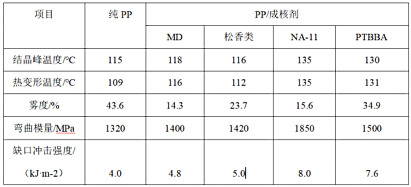

From the table, it can be seen that the crystallization peak temperature of pure PP is the lowest. This is due to the homogeneous nucleation of pure PP, where the molecular chain segments undergo intense thermal motion at high temperatures, making it difficult to form stable crystal nuclei. Stable crystal nuclei can only be formed under supercooling conditions. The crystallization after adding nucleating agents is heterogeneous nucleation. As the melting point of nucleating agents is higher than that of PP, PP forms stable crystal nuclei on the surface of nucleating agents, and the corresponding crystallization peak temperature increases. The data in the table shows that different nucleating agents can increase the crystallization peak temperature of PP, among which NA-11 can increase the crystallization peak temperature of PP from 115 ℃ to 135 ℃, making it possible to form PP at higher temperatures. Due to the increase in molding temperature, the molding time of the embryo is shortened, and the molding cycle is also shortened.
The nucleating agent promotes crystal nucleation and accelerates the crystallization rate of the matrix PP, which is attributed to the nucleating agent accelerating the adsorption of molecular chain segments while enhancing the stacking and diffusion rate of crystal nuclei. The stronger the adsorption effect of the nucleating agent, the easier it is for the molecular chain segments to diffuse and accumulate on the surface of the crystal nucleus, while also increasing the rate of movement and diffusion of the chain segments towards the crystal nucleus, resulting in a faster crystallization rate and higher crystallization temperature. So, crystallization temperature is usually used as a standard to measure the nucleation ability of polymer crystallization.

Improve the transparency of PP
According to the data in the table, the addition of different organic nucleating agents can reduce the haze of PP (an important parameter of optical transparency of transparent or semi transparent materials). When the mass fraction of NA-11 and MD is both 0.2%, the haze of PP decreases from 43.6% to around 15%, and the transparency is significantly improved. This is because the average particle size of PP grains decreases significantly after the addition of nucleating agents.
Due to the presence of crystalline and amorphous phases in crystalline polymers, diffuse reflection of light occurs at the interface between the two phases due to their different refractive indices. Additionally, spherical crystals with a particle size larger than visible light waves reduce the transparency of the polymer material. Therefore, under normal processing conditions, crystalline PP products appear semi transparent. To obtain materials with high transparency, factors such as increasing the crystallinity of the resin, refining the grain size, and reducing the number of pores inside the material should be considered. Especially when the grain size is smaller than the visible light wavelength, the transparency can be greatly improved. Adding nucleating agents is the most effective and cost-effective method to reduce grain size.

The influence on the mechanical properties and heat resistance of PP
The addition of organic nucleating agents forms a fine grain structure inside PP, improves crystallinity, and increases the bending modulus of the matrix, thereby enhancing the rigidity of the material. As shown in the table, when the mass fraction of NA-11 is 0.2%, the bending modulus of PP increases from 1320MPa to 1850MPa. Therefore, while maintaining the same bending strength for product injection molding, the wall thickness of the material can be reduced, providing the possibility for the design of high-strength thin-walled products. In addition, after adding NA-11 with a mass fraction of 0.2%, the notch impact strength of PP increased from 4.0kJ/m2 to 8.0kJ/m2. Other nucleating agents did not reduce the impact strength of PP. Organic nucleating agents can simultaneously improve the rigidity and impact strength of PP, making its application range more extensive. At the same time, when adding 0.2% mass fraction of N-11 and PTBBA, the hot deformation temperature of PP increased, indicating a significant improvement in heat resistance.
Nucleating agents can not only improve the crystallization rate and crystallinity of PP, but also increase the thickness of the oriented cortex structure inside the matrix. The increase in cortical structure thickness is similar to the orientation effect, which can significantly enhance the rigidity of the product. At the same time, the refinement of PP micro spherical crystals makes the crystallization behavior more complete, which is beneficial for the improvement of the tensile strength of PP products.
In short, the changes in the mechanical properties of PP are caused by changes in crystallization behavior. Generally speaking, adding nucleating agents makes PP products have better transparency, tensile strength and rigidity, higher heat deformation temperature and hardness, and other properties.

Changes in processing performance
In general, the faster the crystallization rate and the smaller the size of the spherulites, the better the processing performance of the product. The relatively high shrinkage rate of PP is caused by the tight packing of molecular chains during the cooling crystallization process, and it is also prone to internal stress, leading to phenomena such as warping and deformation. Adding organic nucleating agents shortens the injection molding time and molding cycle of PP, allowing for rapid demolding. At the same time, due to the reduction in the size of resin spherulites, the PP molecular segments do not have sufficient time to arrange themselves in a regular manner, thereby reducing the shrinkage rate of PP; During the injection molding process, the addition of organic nucleating agents accelerates the crystallization rate of the product while reducing the free volume, effectively controlling the shrinkage phenomenon of the resin. Therefore, adding organic nucleating agents can ensure the dimensional stability and mechanical properties of PP products during long-term use and storage, while also reducing the formation of burrs, dents, and voids during PP product preparation.

Conclusion No.4
Nucleating agent is an important additive in polypropylene products, which can improve the rigidity, impact performance, transparency, and reduce the molding cycle of polypropylene. Although there have been numerous studies on nucleating agent modified polypropylene both domestically and internationally, resulting in the development of various alpha and beta nucleating agents, the research only focuses on comparative analysis of the properties of nucleated products and lacks understanding of the underlying mechanisms. At the same time, the industrial selection of nucleating agents is mainly based on small molecules, which have relatively high preparation costs. Large molecule nucleating agents have the characteristics of low cost, easy preparation, and good nucleation effect, but lack research and application. This may be the focus of future research and development, providing a more economical and efficient nucleating agent selection for the PP industry.

Reference No.5

[1]胡成浪,张才亮,盛仲夷.成核剂改性共聚聚丙烯的研究进展[J].塑料助剂,2020(02):1-6.
[2]吴媛,宋程鹏,皮茂等.不同种类成核剂对聚丙烯结构与性能的影响[J].现代塑料加工应用,2023,35(01):40-43.
[3]马承银,杨翠纯,陈红梅等.聚丙烯成核剂研究的进展[J].现代塑料加工应用,2002(01):41-44.
[4]黄伟江,何文涛,秦舒浩等.有机类成核剂改善PP性能的研究进展[J].现代塑料加工应用,2016,28(05):52-56.

10 February, 2026

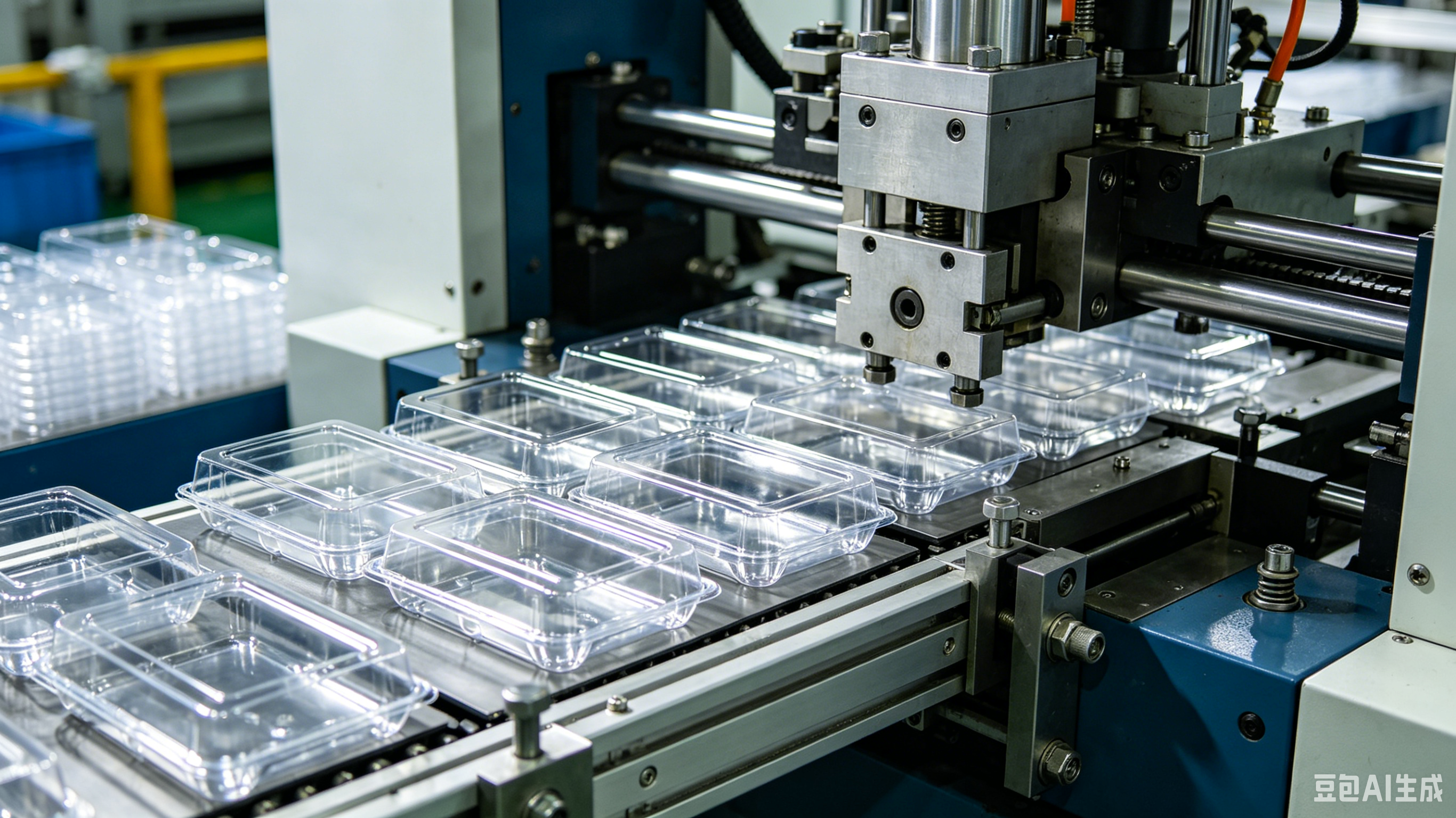
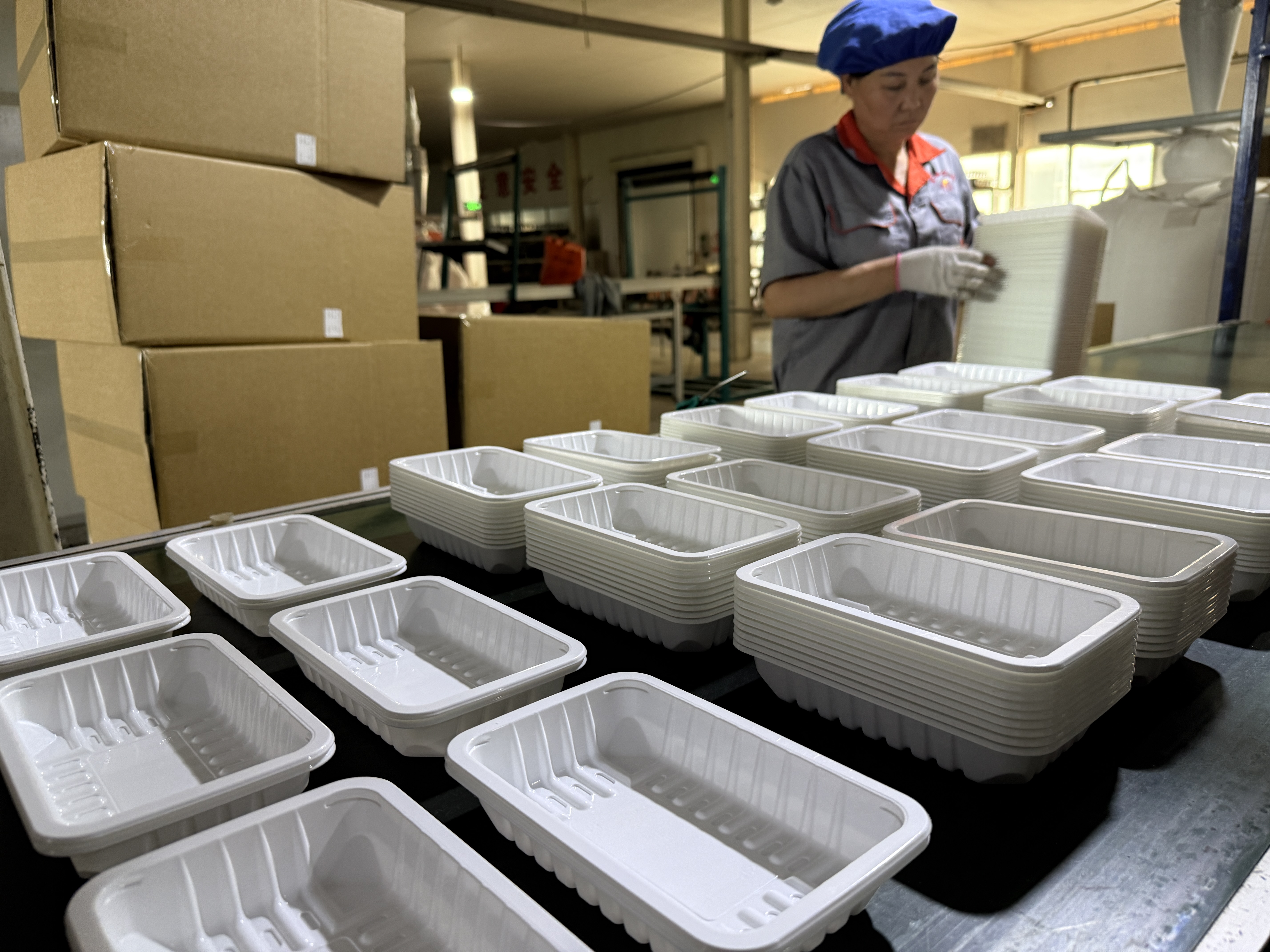
Food grade blister packaging boxes are generally produced using PP material, but according to customer requirements and product characteristics. The selection of PP materials is also diverse, as PP materials are divided into PP natural color, PP natural color transparent, PP high transparency materials, and PP color materials. The product characteristics and uses produced from each PP material are different. Below, we will explain the characteristics and uses of the vacuum formed packaging boxes produced from each PP material one by one.
The general characteristic of natural PP material is that it can only withstand low temperatures, so the product can be refrigerated and is generally used for packaging meat and cooked food in supermarkets. The color can be PP natural white, or other colors of PP such as green or red.
Natural transparent material, also known as semi transparent PP material, has two properties: high temperature resistance and low temperature resistance. However, both low temperature and high temperature resistance are not very good. Therefore, we can only make some products that are not very strict with the requirements of low temperature and high temperature resistance, which are generally used for factory dumplings, Xiaolongbao, rice dumpling and other frozen packaging. This product cannot be processed at high temperatures using a micro boiler.
Highly transparent material, this PP material has good resistance to low and high temperatures, and can also be used for sealing processing. At the same time, the price of this material is also relatively high. So some products require both high and low temperature resistance. We usually use high transparency PP material to produce products, and products made of this PP material can be processed at high temperatures in micro boilers without any problem.
The material actually has a characteristic of low density, so after vacuum forming, the product is relatively thin compared to other materials such as PVC and PET. Therefore, when designing PP products, the material needs to be thicker than other materials.

01 February, 2026

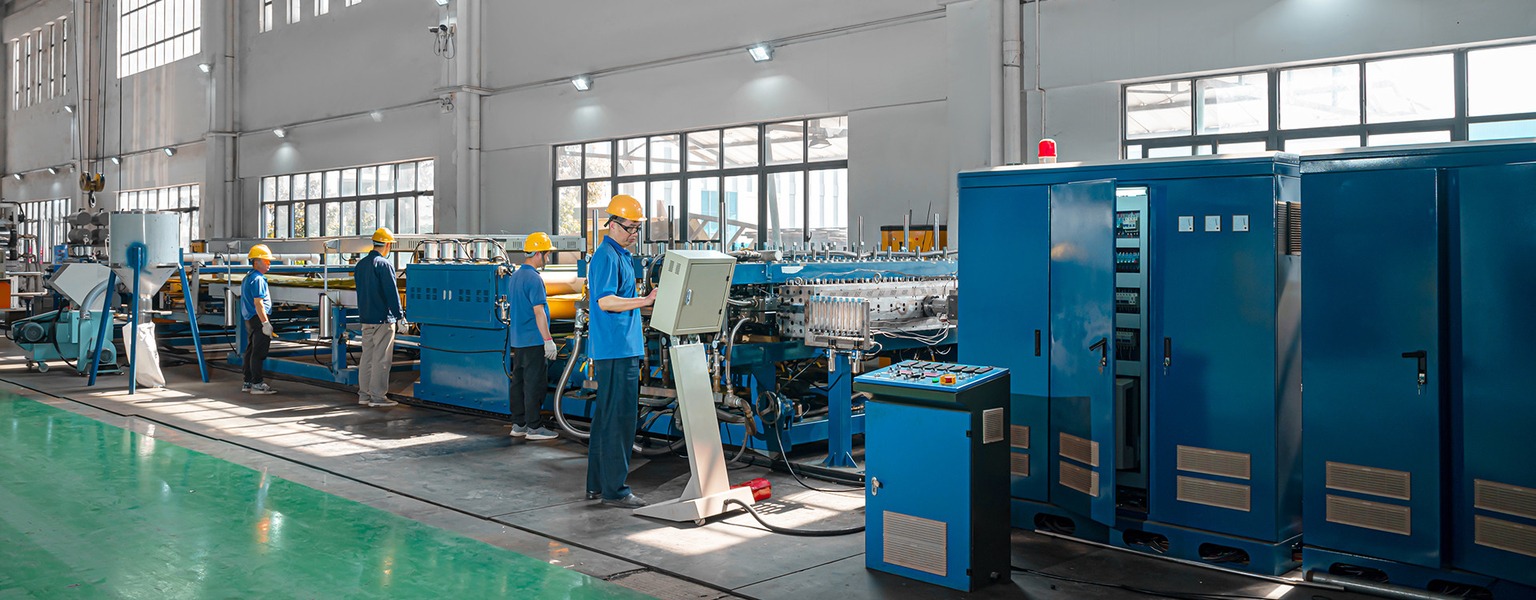
The PET sheet production line is an equipment used for manufacturing PET (polyethylene terephthalate) sheets. PET sheets are a high-performance plastic material with excellent transparency and mechanical strength, widely applied in food packaging, medical devices, electronic products, and other fields.

The PET sheet production line mainly consists of a raw material conveying system, extruder, melt filter, extrusion die, three-roll calender, cooling system, cutting machine, and stacking machine.The entire production line process includes raw material conveying, extrusion, cooling, rolling, cutting, and stacking.

Firstly, PET raw materials are fed into the extruder through the raw material conveying system.The extruder heats the PET raw material and extrudes it through a screw to form a continuous melt. The melt is filtered through a melt filter to remove impurities, and then enters the extrusion mold.

Extrusion mold is one of the key components in PET sheet production line.Its design and manufacturing directly affect the quality and performance of the sheet material. Extrusion molds can produce PET sheets of different thicknesses, widths, and shapes by adjusting the structure and size of the mold. The cooling system in the extrusion mold can effectively control the temperature of the sheet and ensure the quality of the sheet.

The molten material at the exit of the extrusion mold is fed into a three roll rolling mill.The three roll rolling mill is a key equipment for rolling the melt into thin sheets. It consists of three parallel rollers, and by adjusting the spacing and speed of the rollers, the thickness and smoothness of the sheet can be controlled. During the rolling process, the sheet is rapidly cooled by a cooling system to solidify and maintain the desired shape.

The PET sheet after rolling is fed into the cutting machine.The cutting machine cuts the sheet into the desired size according to the set length and width. The cutting machine can achieve high-precision cutting through blade adjustment and precise control of the control system.

Finally, the cut PET sheets are fed into the stacker crane.The stacker crane stacks the sheets together and packages and marks them as needed. Stacker cranes can automatically adjust according to the speed of the production line and the size of the sheets, improving production efficiency and product quality.

In short, the PET sheet production line is an efficient, stable, and reliable equipment that can meet the needs of different industries for PET sheets. With the continuous advancement of technology and the increasing demand for high-performance plastic materials in the market, PET sheet production lines will play a more important role in future development.

20 January, 2026

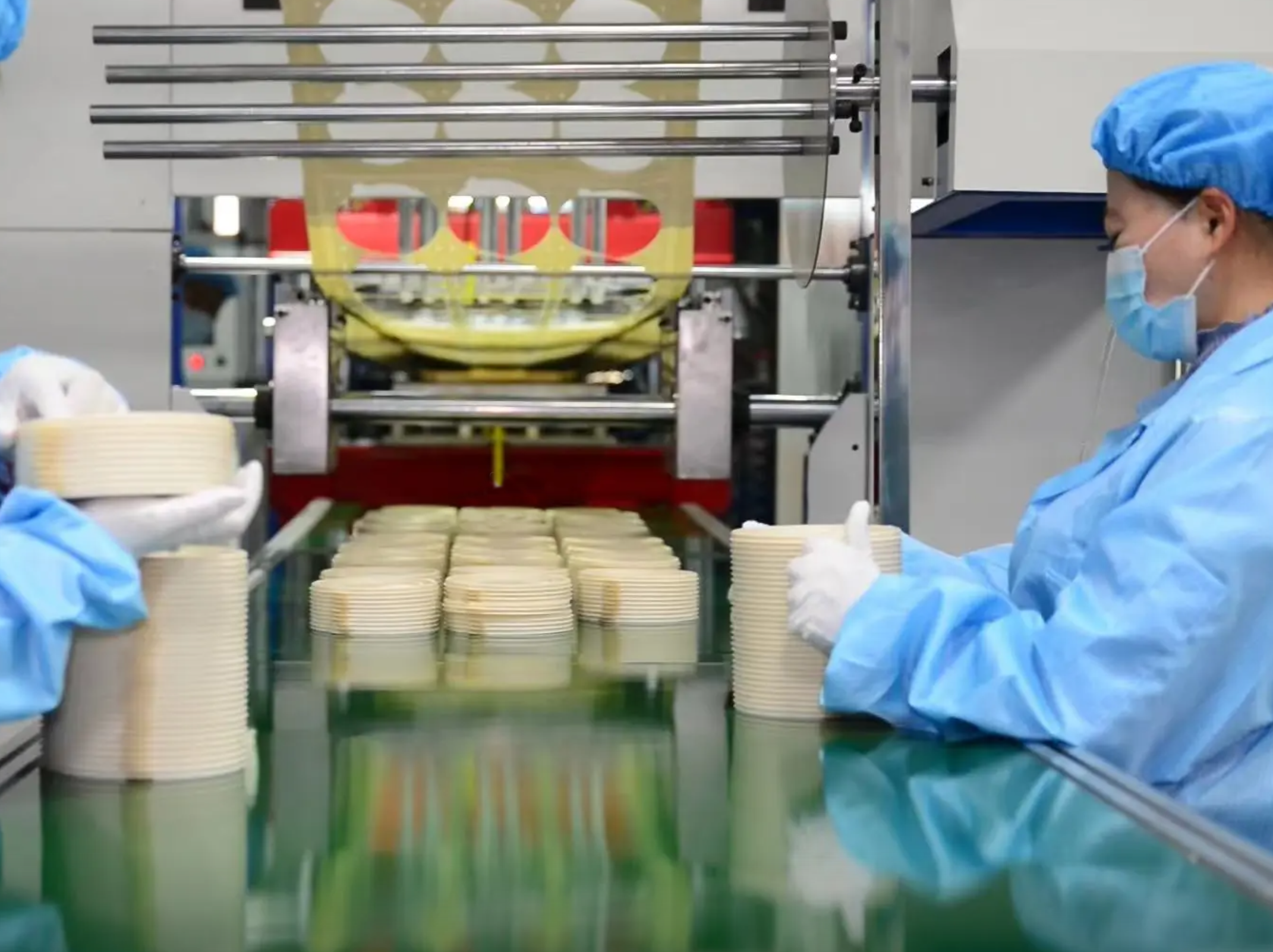
The maintenance cycle of the fully automatic servo cup making machine is mainly determined based on its frequency of use, working environment, and manufacturer's recommendations. Generally speaking, the following maintenance cycle recommendations can be followed:

Daily inspection: It is recommended to conduct a daily inspection of the fully automatic servo cup making machine, including observing whether there are any abnormal sounds, vibrations, or temperature increases, as well as checking whether the power and connection wires are loose or damaged. These daily checks help to promptly identify potential issues and prevent small problems from escalating into major malfunctions.

Regular maintenance:

Cleaning: Conduct a comprehensive cleaning of the machine at least once a week, including removing surface dust, oil stains, and debris, as well as cleaning internal components, especially sliding and rotating parts, to prevent dust and impurities from affecting machine performance.

Lubrication: Regularly lubricate key parts such as the sliding track, bearings, and gears of the machine to reduce wear and frictional resistance. The lubrication cycle usually depends on the usage of the machine, but it is recommended to perform it at least once a month.

Inspection of fastening components: Regularly check the fastening components of the machine, such as screws, nuts, etc., to ensure that they are firm and not loose. If loose or damaged components are found, they should be tightened or replaced in a timely manner.

Deep maintenance and major repairs:

According to the actual usage of the machine and the manufacturer's recommendation, a deep maintenance should be carried out every six months or one year, involving more comprehensive inspection, repair, and replacement of components.

The overhaul cycle may be longer, usually one or two years, depending on the actual situation of the machine and the manufacturer's recommendations. During major repairs, itis usually necessary to disassemble and inspect the machine, clean it, and replace vulnerable parts.

In summary, the maintenance cycle of a fully automatic servo cup making machine is the result of considering multiple factors comprehensively. To ensure the long-term stable operation of the machine, it is recommended to follow the manufacturer's maintenance recommendations and develop a reasonable maintenance plan based on the actual situation. At the same time, regular maintenance of machines is also an important measure to improve production efficiency and extend the service life of machines.

12 January, 2026

To ensure that the fully automatic servo cup making machine maintains high precision and stability after long-term operation, the following aspects can be taken into account:

 Daily maintenance and upkeep

Regular inspection and cleaning

Regularly inspect the various components of the fully automatic servo cup making machine, especially the sliding track, transmission system, sensors and other key parts, to ensure that they are not worn, loose or dusty.

Clean the surface and interior of the machine to prevent impurities such as dust and oil from affecting its performance.

Lubrication and fastening

Regularly lubricate moving parts such as sliding tracks and bearings to reduce wear and frictional resistance.

Check and tighten the fastening components of the machine, such as screws, nuts, etc., to ensure they are secure and not loose. 

Parameter adjustment and optimization

Adjustment of control system parameters

According to the specific characteristics and usage requirements of the fully automatic servo cup making machine, scientifically adjust the parameters of the control system, such as the speed, acceleration, position accuracy, etc. of the servo motor, to ensure smooth and accurate operation of the machine.

Sensor calibration

Regularly calibrate sensors to ensure their measurement accuracy and avoid machine accuracy degradation caused by sensor errors.

Fault diagnosis and troubleshooting

Real time monitoring and early warning

By utilizing modern sensing technology and data analysis methods, real-time monitoring of the operating status of the fully automatic servo cup making machine is carried out, and potential faults are detected and warned in a timely manner.

Fault diagnosis and repair

Once a malfunction occurs, the machine should be stopped immediately for inspection. Professional fault diagnosis tools and methods should be used to quickly locate the cause of the malfunction and carry out effective repairs.

Professional training and guidance

Operator training

Provide professional training to the operators of the fully automatic servo cup making machine to familiarize them with the structure, performance, operating procedures, and maintenance methods of the machine, and improve their operational level and maintenance awareness.

Technical guidance and support

Provide continuous technical guidance and support to operators, answer any problems they encounter during use, and ensure that the machine can operate stably for a long time.

In summary, through daily maintenance, parameter adjustment and optimization, fault diagnosis and elimination, as well as professional training and guidance, it is possible to ensure that the fully automatic servo cup making machine maintains high precision and stability after long-term operation.

06 January, 2026

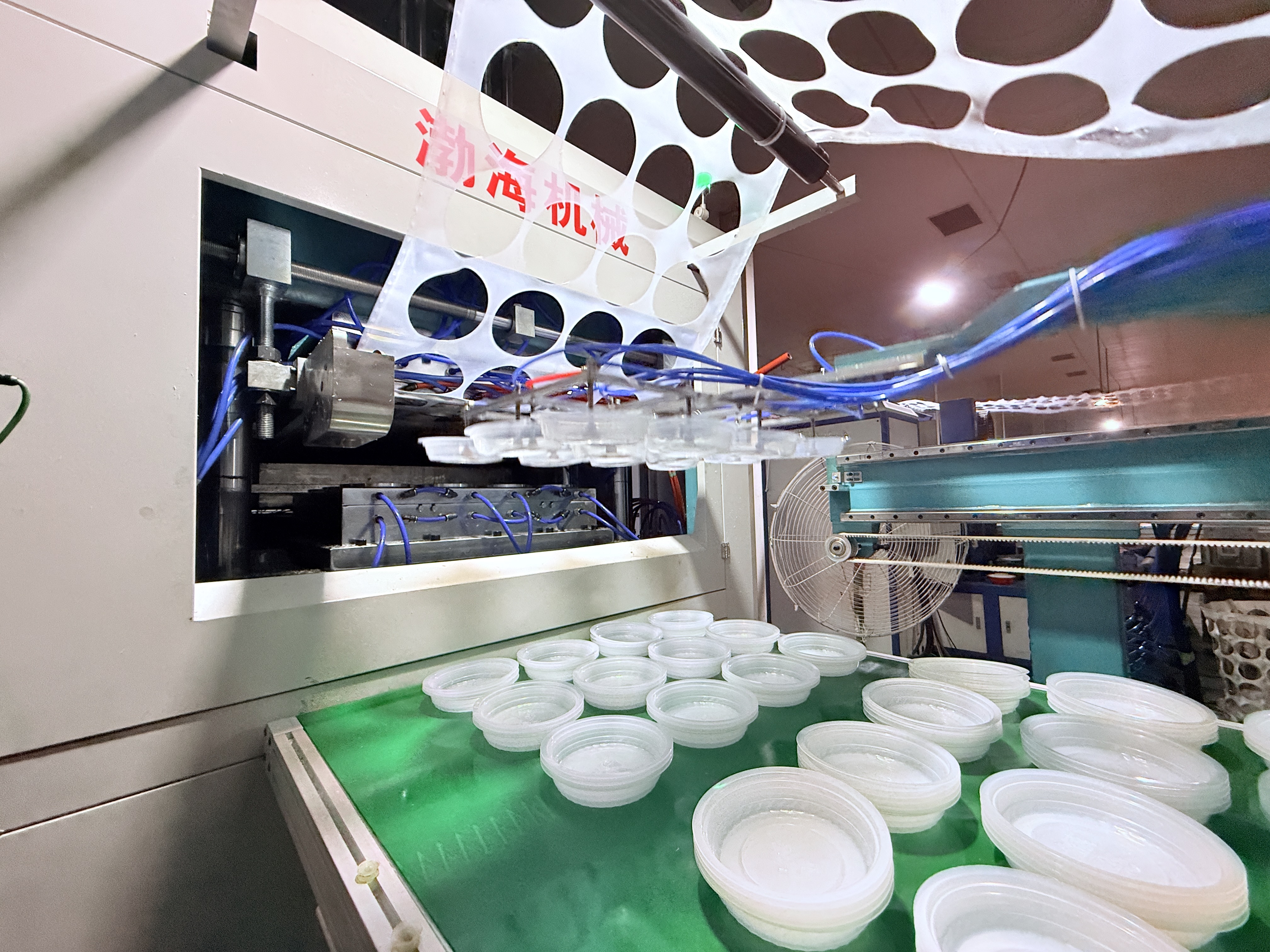
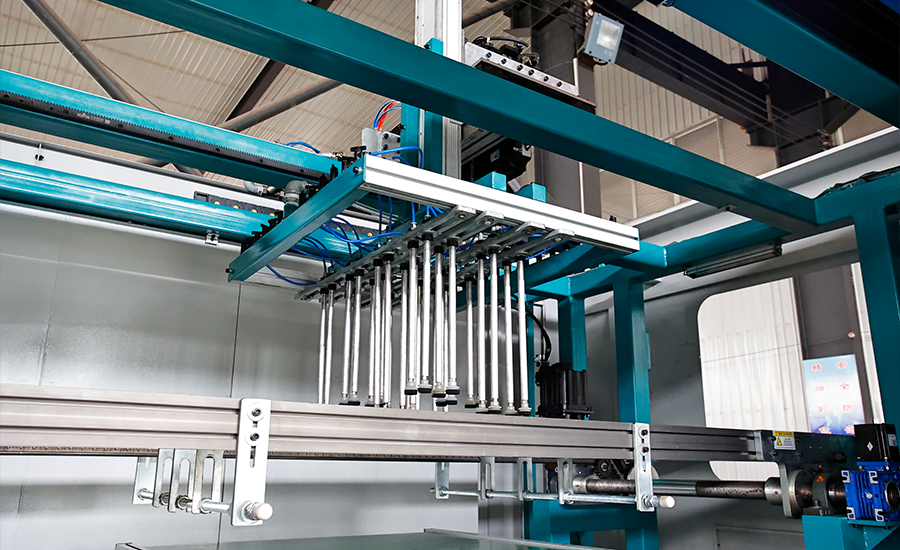
When choosing a positive pressure hot forming machine, in order to ensure that you select equipment that meets your own needs and has excellent performance, you need to consider the following key factors comprehensively:

1.Clarify production requirements

Firstly, you need to clarify your production needs, including the specifications and parameters of the required machines, production fficiency, product quality requirements, etc. This helps you narrow down your selection range and more accurately locate the positive pressure thermoforming machine that suits you.

2.Evaluate machine performance Heating element: The heating element is the core part of the positive pressure thermoforming machine, and its material and design directly affect the heating effect and thermal efficiency. Therefore, you need to choose heating elements with high thermal conductivity, high temperature resistance, and good oxidation resistance, such as stainless steel, copper, etc.

Molding accuracy: Molding accuracy is one of the important indicators for measuring the performance of positive pressure thermoforming machines. You need to choose equipment with high-precision molding capabities based on the precision requirements of the product.

Stability: The stability of equipment is crucial for ensuring production efficiency and product quality. You need to choose a positive pressure thermoforming machine that runs stably and has a low failure rate.

3.Consider the convenience of operation Control panel: The control panel should have a simple and easy-to-use interface that can adjust parameters such as temperature and time to meet the production needs of differentproducts.

Automation level: With the development of technology, positive pressure thermoforming machines with increasing automation can reduce manual intervention and improve production efficiency. Therefore, you can consider choosing equipment with automated feeding, forming, punching, cutting and other functions.

4.Pay attention to after-sales service

High quality after-sales service can ensure that you receive timely technical support and maintenance services during use, thereby extending the service life of the equipment and reducing maintenance costs. Therefore, when choosing a positive pressure hot forming machine, you need to pay attention to the merchant's after- sales service policy, including warranty period, repair response time, etc.

5. Choose a well-known brand

Renowned positive pressure hot forming machine brands at home and abroad, such as LeKai, Shangli, MSI, Lishida, etc., have been deeply rooted in the industry for many years and have guaranteed product quality. Choosing a well-known brand can minimize the risk of purchasing inferior machines and provide better technical support and after-salesservice.

6, Inspect equipment manufacturers

If conditions permit, you can personally visit the actual operation of equipment manufacturers and have a direct understanding of their process details. This helps you to have a more comprehensive understanding of the performance and quality of the equipment, thus making more informed purchasing decisions.

In summary, when choosing a positive pressure hot forming machine, you need to consider multiple factors such as production needs, machine performance, ease of operation, after-sales service, brand reputation, and equipment manufacturers. Through comprehensive evaluation and comparison, you can choose the most suitable positive pressure thermoforming machine for your needs.